

Seasonal gardening guides and planting calendars
Welcome to our seasonal planting guide designed specifically for Melbourne backyards and temperate Australian gardens. Whether you are a beginner starting your first raised garden bed or an experienced green thumb seeking heirloom blooms, explore our advice on soil preparation, composting systems, smart watering, and feeding your citrus, fruit trees, and vegetables. Discover companion planting pairings and tips for thriving roses, hydrangeas, and bearded irises across every month of the year.
Cymbidium Orchids & Care
Beautiful Cymbidium orchids—what’s not to love? Waiting for these absolute beauties to appear, then enjoying their exquisite flowers indoors or under cover, is one of life’s simple pleasures.
My grandfather, John, grew these beauties by the hundreds! Since then, I’ve caught the collecting bug and discovered a brilliant local supplier: Bellarine Orchid Farm. https://share.google/ywHJVE5OpAG1acWne
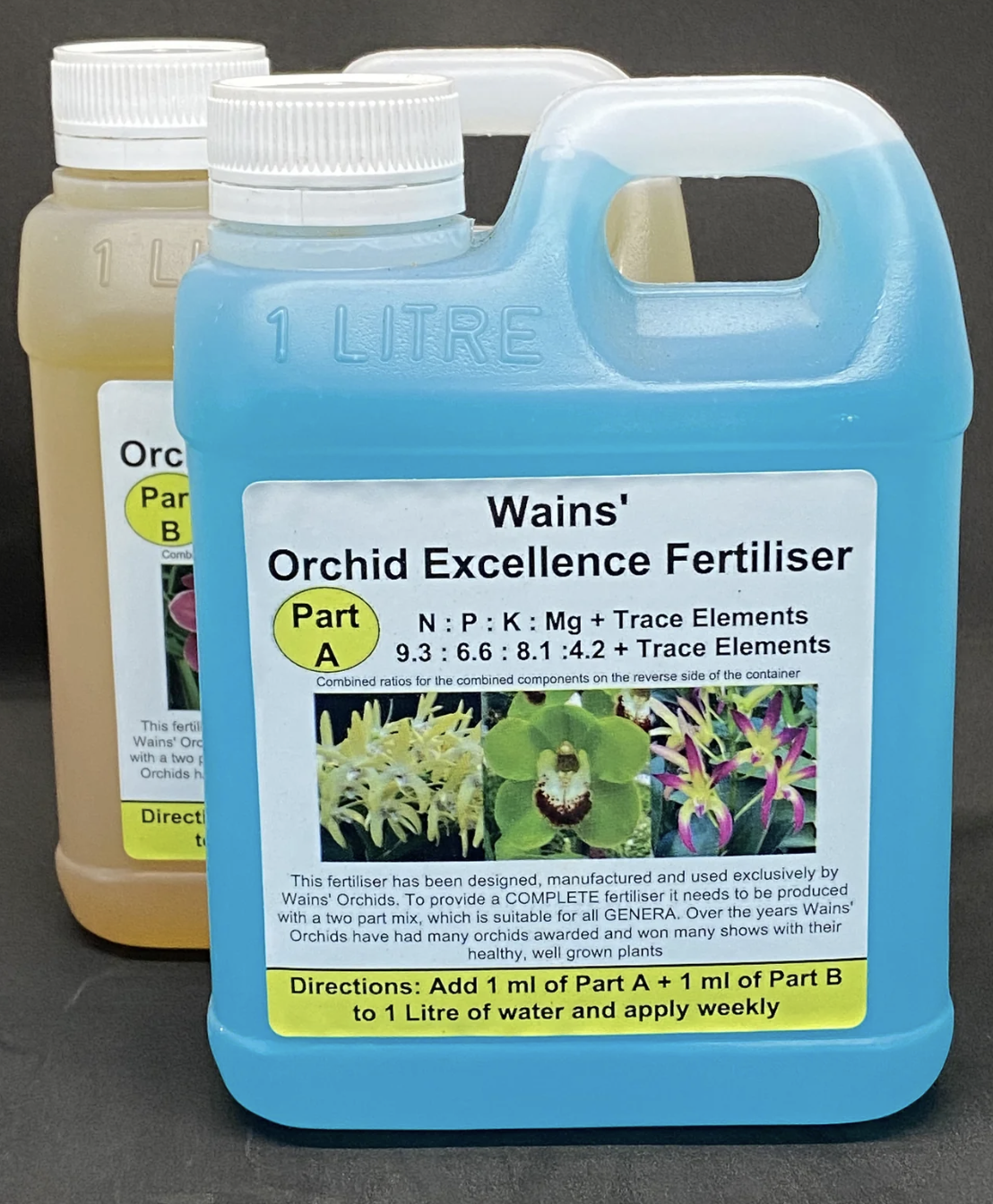
They offer excellent orchid fertiliser, which I use once a week. It lasts a long time, too. Simply use a syringe for each product, washing it thoroughly between the A and B fertilisers, and add the recommended amount to a 9-litre watering can.
Wains Orchid Excellence fertiliser developed to maintain healthy growth of all orchid genera. Orchid Excellence also helps to improve the size, colour and number of flowers on each spike.













Gardening Guides, Seasonal Collections-SPRING!
Make the most of Victoria's warming soil and sunny days. Our practical four-part guide will help get your garden primed, planted, and thriving this spring.
How Do Plants & Trees Know It’s Spring?
Answer...
Plants and trees recognise spring by using light-sensitive proteins to track longer days and measuring warmth in the air and soil.
Light and Night Length
- Phytochrome: Plants contain phytochrome, a light-absorbing molecule that acts like a biological hourglass.
- Sensing darkness: Long winter nights fully reset phytochrome, keeping plants dormant. As spring nights shorten, it does not fully reset—signalling winter’s end.
Temperature and Soil
- Warmth tracking: Plants and trees keep a “temperature clock”, counting warmth accumulated after winter.
- Waking roots: As soil warms, roots release growth hormones, including gibberellins and cytokinins, to produce new leaves and buds.
- Winter chill: Many species need a period of winter cold—called vernalisation—so a random warm day does not trigger growth too early.
1. Essential soil preparation
Start by aerating compacted winter beds with a garden fork. Work through generous amounts of well-aged compost, aged cow manure or chicken manure to restore soil vitality, then add a light sprinkle of balanced organic blood and bone.
Apply Seasol, Charlie Carp, GOGO Juice or another product containing beneficial microbes, seaweed, fish and humic acid to support soil and plant health. After planting, top the bed with a light layer of straw or lucerne mulch.
Continue adding materials to your composting system. After around six months of decomposition, with monthly turning, the finished compost will be a valuable addition to new garden beds, established gardens, vegetable patches, fruit and citrus trees, evergreens, and ornamental trees. Below is a more detailed guide to composting and getting the best from your system.
COMPOSTING SYSTEM
The most effective way to use a three-bin composting system is to add all fresh kitchen scraps and yard waste exclusively to Bin 1 (the first bin).
How to Add Material to Bin 1
- Layer greens and browns: Add a layer of nitrogen-rich “green” materials, such as fruit and vegetable scraps, coffee grounds, or fresh grass clippings. Immediately cover it with a thick layer of carbon-rich “brown” materials, such as dried leaves, straw, or wood shavings.
- Maintain the right ratio: Aim for approximately 2–3 parts brown material to every 1 part green material. This balance helps control odours and encourages faster decomposition.
- Chop large pieces: Cut or break bulky scraps into smaller pieces before adding them. Smaller pieces decompose more quickly.
- Keep the pile moist: As you build the pile, add water with a hose or watering can until it feels as damp as a wrung-out sponge. Never add fresh raw materials to Bin 2 or Bin 3.
Moving Material Through the System
- Fill Bin 1: Add daily and weekly kitchen and yard waste to Bin 1 only until it is full.
- Transfer to Bin 2: Once Bin 1 is full, turn or shovel its contents into Bin 2. This aerates the pile and allows it to heat up and actively decompose.
- Cure in Bin 3: When Bin 1 fills for a second time, move the active compost from Bin 2 to Bin 3 to cure. Then transfer Bin 1’s contents to Bin 2 and begin a new pile in the empty Bin 1.

2. Vibrant flowers, Perennials, Shrubs, Seed's to plant now-
Cool & Temperate Climate's.
Spring is the perfect time to plant dahlia tubers, bearded irises, cosmos, and sunflowers for a vibrant display of summer colour. Plant iris rhizomes shallowly, leaving their tops exposed to full sun—though this can also be done in winter.
Add sweet peas, zinnias, and marigolds to attract pollinators while helping to protect more delicate blooms throughout your ornamental borders. It’s also an ideal season for planting shrubs and trees.
Take the opportunity to visit local garden nurseries, open gardens, and markets for inspiration and new plants to bring home.
- LIST TO PLANT NOW -
- * Ageratum, Amaranthus, Aquilegia, Aster, Alyssum, Alstroemeria (Princess Lillies)
- *Bearded Iris,Begonia, Billy Button, Bell's of Ireland, Baby's breath (Gypsophila), Borage, Brachyscome (native daisies), Bletilla, bleeding Hearts
- *Cymbidium Orchids, Candytuft, Calendula, Carnation, Cosmos, Cornflower, Chamomile, Chrysanthemum, Camellia's, Cotula,
- *Dahlia, Delphinium, Daisies, Daffodils, Daylilies, Dianthus
- *Echinacea (mid-late Spring)
- *Forsythia, Foxgloves
- *Globe Amaranths, Grape Hyacinth, Geum, Gladioli,
- *Hollyhock, Hellebores, Honesty, Hydrangea
- *Impatiens, Iris
- *Japanese Anemone
- *Larkspur Linaria, Livingstone Daisy, Lunaria Honesty, Lavender, Lilies, Lily of the Valley,
- *Marigold, Mexican Hat
- *Nigella, Nasturtium,
- *Oriental Lilies. Oleander
- *Peonies, Poppy, Phlox, Pansies, Petunia, Penstemon, Philadelphus
- *Queen Anne's Lace
- *Roses, Rudbeckia
- *Snapdragons, Salvia, Sea Holly, Scabiosa, Statice, Stock, Strawflower, Sunflower, Sweet Pea, Stuart's Dessert Pea, Snowdrops
- *Tansy
- *Viola, Viburnums, Verbena
- *Wallflower,
- *Yarrow
- *zinnia

3. Vegetables for spring sowing
- For Cool & Temperate Climate's -
- Sow heirloom tomato varieties, crunchy cucumbers, zucchini, sweet capsicum, and bush beans once the risk of frost has passed. Direct sow quick-growing beetroot, rainbow chard, and salad greens in partial shade to maintain fresh harvests while your slow-growing fruiting crops mature.
- LIST TO PLANT NOW -
- Artichokes (globe)
- asian greens
- Basil
- Beans
- Beetroot
- Broad Beans
- Broccoli
- Cabbage
- Carrots
- Capsicums
- Cauliflower
- Celery
- Chives
- Chilli
- Corn
- Coriander
- Cucumber
- Eggplant
- Fennel
- Gourd
- Kale
- Kohlrabi
- Leek
- Leafy Greens & Lettuce
- Melon
- Onion
- Pak Choy
- Peas
- Potato
- Pumpkin
- Radish
- Rhubarb
- Rocket
- Silverbeet
- Spinach
- Spring Onion
- Squash
- Sweet Corn
- Tomatoes
- Turnips
- Watermelon
- Zucchini
4. What to do this weekend
Tackle lingering spring weeds before they set seed, set up sturdy climbing trellises for runner beans and sweet peas, and give all citrus trees a generous feed with high-nitrogen organic fertiliser. Check your irrigation lines, refresh mulch around garden beds, and pot up tender seedlings in a sunny, sheltered spot.
Divide and plant beautiful dahlias. Inspect each tuber carefully to ensure there is no rot and that it has at least one or two eyes—look at the top of the neck. Prepare the soil before planting, incorporating organic matter such as cow or chook manure, compost, and my favourite, blood and bone. Choose a sunny position that is protected from strong winds.Plant tubers 10 cm deep and have stakes ready to support varieties with larger flower heads. Do not water immediately after planting; allow the early spring rains to gently settle them in. During the warmer months, use drip irrigation every 3–4 days, increasing watering during very hot summer weather. Water early in the morning or late in the afternoon.
Finish transplanting Evergreen shrubs to help them settle in before the summer season.
Get all flower beds ready for the beautiful spring season by weeding, feeding and covering! Weed- all grass, clover, winter weeds and anything that take over young plants. Feed with organic matter, Cow & chook manure (that has been decomposing in compost bins for at least 3-6 months as to not burn any new young plants) and use a seaweed solution -Promotes vigorous flowering and fruiting and overall garden health
-
- Plants to Avoid Pairing Together (No-Go Combinations)
- Apples: Grass and potatoes
- Apricots: Tomatoes, basil, and sage
- Beans: Onions, garlic, fennel, gladioli, sunflowers, and kohlrabi
- Beetroot: Beans
- Broccoli: Strawberries
- Cabbage: Strawberries, garlic, and tomatoes
- Cauliflower: Strawberries
- Coriander: Fennel
- Fennel: Beans, tomatoes, coriander, and kohlrabi
- Garlic: Beans, cabbage, and strawberries
- Kohlrabi: Fennel, tomatoes, and beans
- Parsley: Mint
- Parsnips: Caraway, carrots, and celery
- Pears: Grass
- Peas: Garlic and onions
- Potatoes: Apples, cucumbers, cherries, pumpkins, sunflowers, tomatoes, and rosemary
- Pumpkins: Potatoes
- Raspberries: Potatoes and blackberries
- Rosemary: Potatoes
- Sage: Basil
- Strawberries: Cauliflower, cabbage, Brussels sprouts, tomatoes, broccoli, and garlic
- Sunflowers: Potatoes
- Tomatoes: Potatoes, rosemary, fennel, apricots, strawberries, dill, and kohlrabi
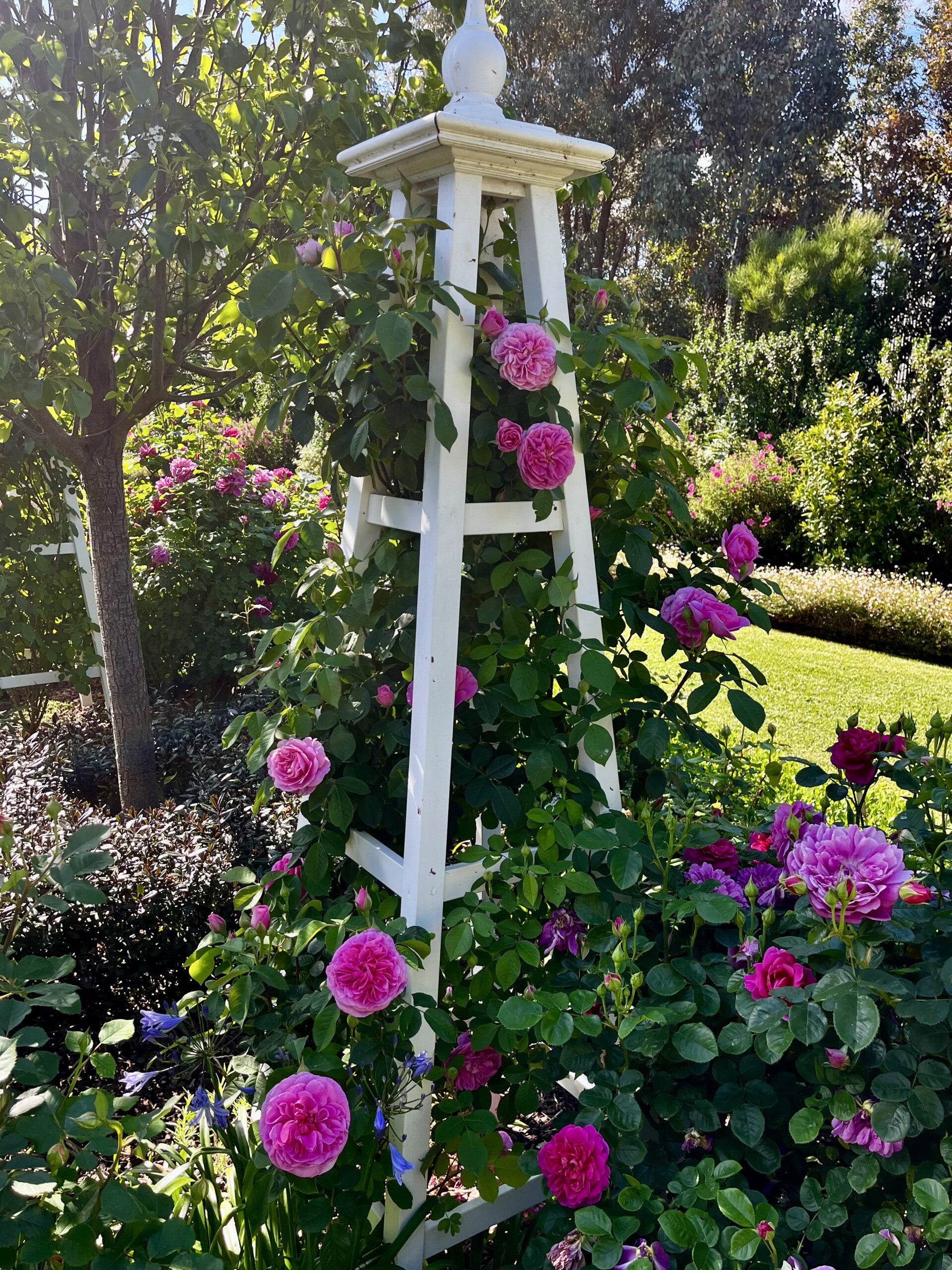
Summer abundance: watering, feeding, and garden care
Summer in Melbourne, Geelong & the surrounding areas calls for thoughtful water management to ensure delicate roots never dry out in the heat. Give thirsty hydrangeas planted in dappled shade a deep morning soak, and continue feeding fruiting vegetables and citrus trees with a balanced organic fertiliser.
Harvest fresh beetroot, summer herbs and garden flowers for beautiful bouquets, or turn excess produce into homemade tomato relish and lemon curd. Don’t forget to share your garden triumphs by tagging -
@bellevueblooms on Facebook or @bellevueblooms1 on Instagram.

Autumn and winter: composting, pruning, and winter prep
As the weather cools down, layer falling autumn leaves into your composting system and prepare garden beds for winter greens, garlic, and spring-flowering bulbs. Deadhead spent blooms and prepare to prune dormant rose bushes in mid-winter to stimulate vigorous spring growth. Plant cold-hardy vegetable seeds directly into rich soil, mulch heavily to protect micro-organisms, and stock up on our seasonal bulbs, seeds, tubers, and jars of spiced rhubarb and curry relish to savour all winter long.
Welcome to Our Protager Garden
Every plant we cultivate serves a purpose—whether for consumption, creating beautiful bouquets, collecting seeds, or enhancing our home. Nothing is grown without intention. Our Protager Garden is designed as a functional space that harmoniously blends beauty with utility. While it showcases stunning blooms throughout the seasons, it is also actively maintained and utilized.
Within the garden, you'll find a greenhouse perfect for nurturing cuttings, starting seeds, and growing tomatoes (believe me, they thrive in there!). We’ve also introduced new espaliers for citrus and fruit trees, along with a large composting system that supports our sustainable practices. There’s ample space for pruning, harvesting, and exploration.
For those moments of reflection, we’ve created a cozy corner with a table where you can unwind after a hard day's work, soaking in the tranquility and the soothing sounds of chirping birds.
Sproutwell Greenhouses - https://share.google/GfBtN5xOe4uflvXZp

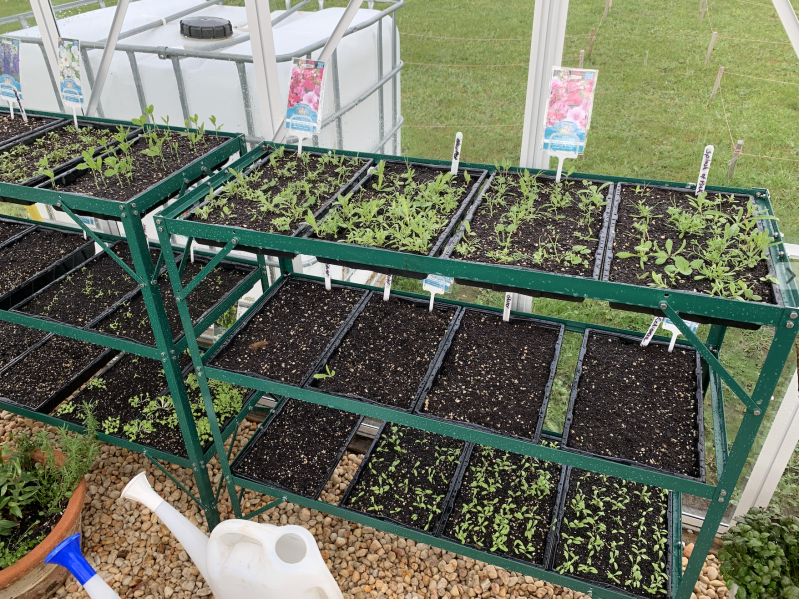


Espaliers for Citrus and Fruit Trees
We are currently expanding our garden to include more citrus trees—oranges and lemons—along with apple and pear trees, and kiwi fruit. All will be grown in a controlled environment, allowing us to provide our customers with the very best organically grown, homegrown fruit.
Near the espalier boxes, we will continue to grow a wonderful range of seasonal produce, including strawberries, potatoes, celery, lettuce, kale, beans, cucumbers, zucchini, onions, sweet corn, beetroot, asparagus, eggplants, raspberries, blueberries, and a full selection of herbs. Lots of Fruit tree's of all kinds.We also grow plenty of tomatoes, which thrive happily in the greenhouse. Somehow, they have always performed better there than they do exposed to the outdoor elements.
Our tomato harvest is usually generous enough to last through winter, with plenty to share with family and friends. We enjoy them fresh, dried, and transformed into pasta sauce, pizza sauce, relish, and other homemade favourites. By the end of summer, though, you are almost happy to see the plants begin to dry out—ready to collect the seeds for next season—after the unmistakable scent of tomatoes has become embedded in your hands and senses.
