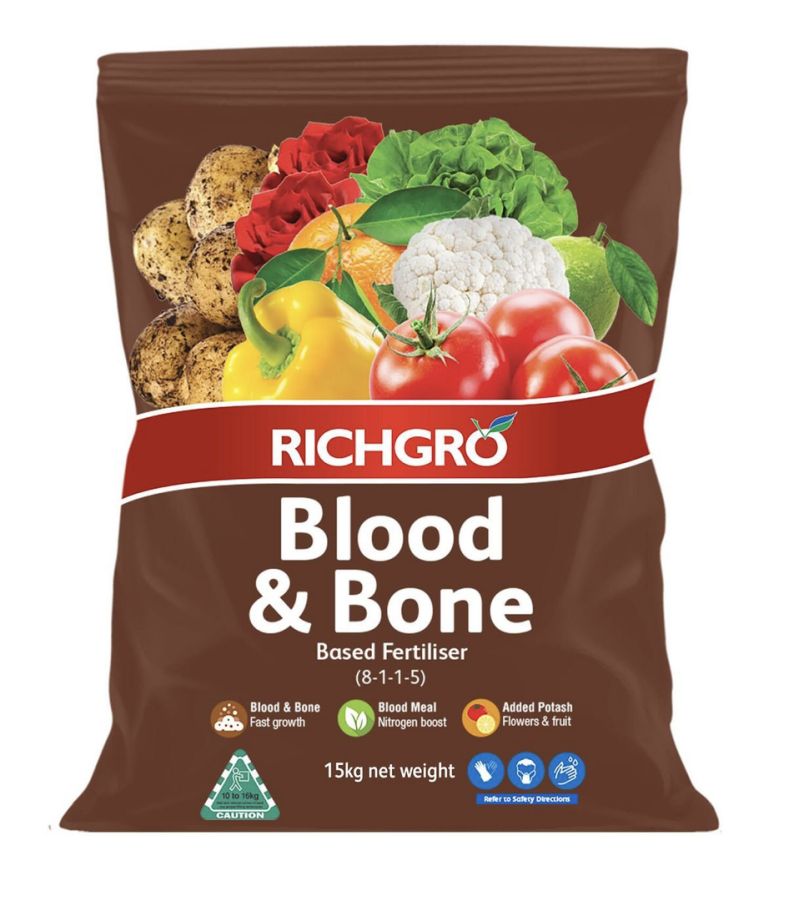
Products we use and recommend
- Exceptional garden products support healthy, vigorous growth—from lawns, trees, shrubs and hedges to flowers, fruit trees, citrus and vegetables. After extensive testing, we have selected garden-safe products that provide essential nutrients. Our range includes organic fertilisers, carbon sources, fish and seaweed extracts, manures and slow-release options. Explore our recommendations below.
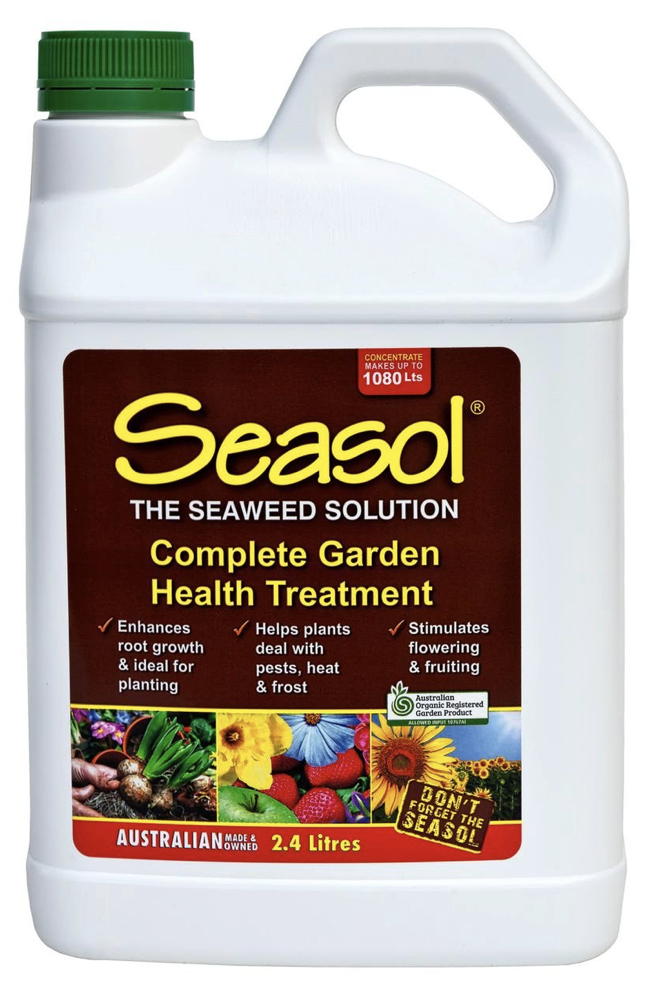
SEASOL
- Encourages strong roots and beneficial soil microorganisms
- Promotes flowering, fruiting and overall garden health
- Helps plants manage heat, drought and frost
- Supports resilience against sucking insects and fungal disease
Seasol Concentrate Fertiliser supports optimum plant health and vigorous growth. It strengthens roots, benefits soil microorganisms and improves garden-bed health. Ideal for flowering and fruiting plants, it helps manage environmental stress while supporting resilience against insects and fungal disease for stronger growth and better yields.
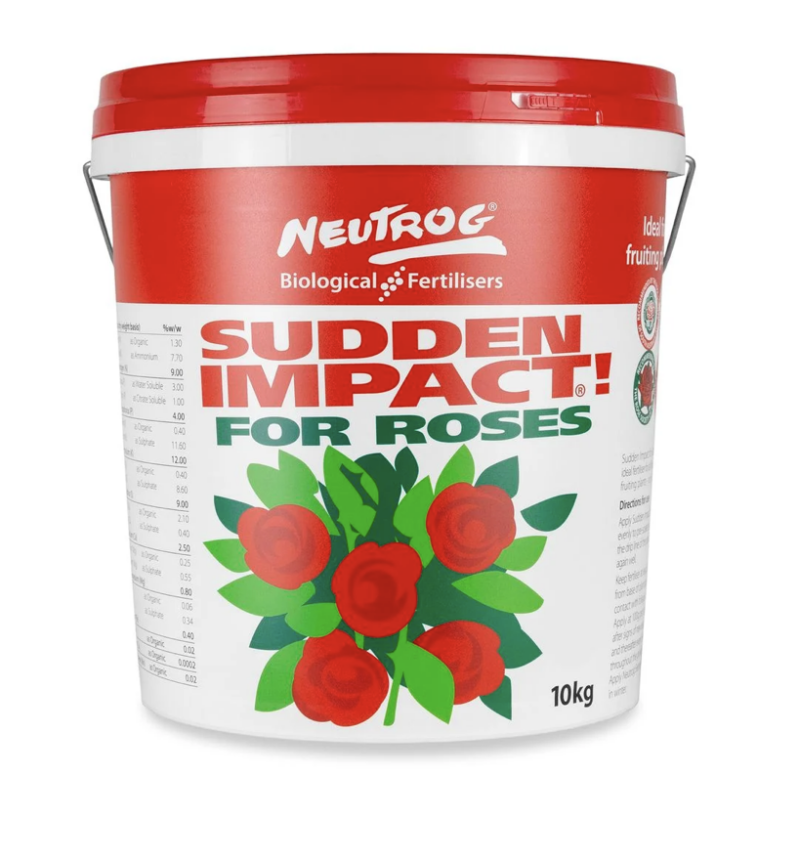
SUDDEN IMPACT FOR ROSES
- Roses: Formulated for all rose bushes, including potted roses.
- Flowering ornamentals: Suitable for camellias, gardenias, hibiscus, and annual and perennial flowers.
- Fruiting plants: Promotes flowering and fruit retention in fruit trees and other fruiting plants.
Plants to avoid
- Australian native plants: Do not use on phosphate-sensitive natives, as the nutrient balance is too rich.
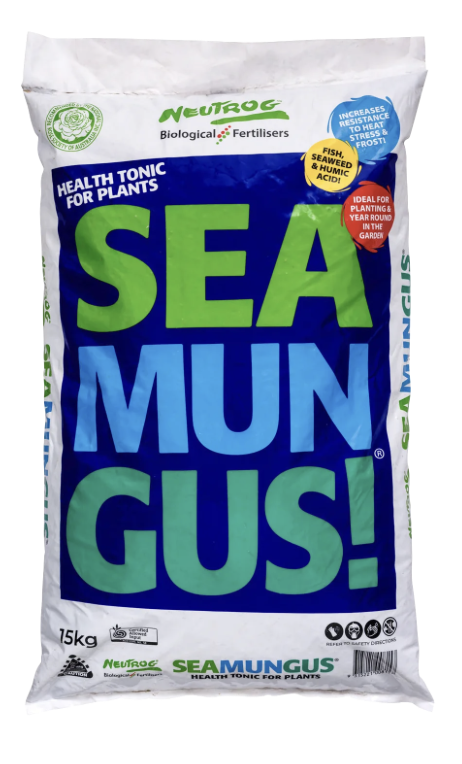
- Bare-rooted or newly planted plants: Use a gentle organic alternative, such as Neutrog Seamungus, until established.
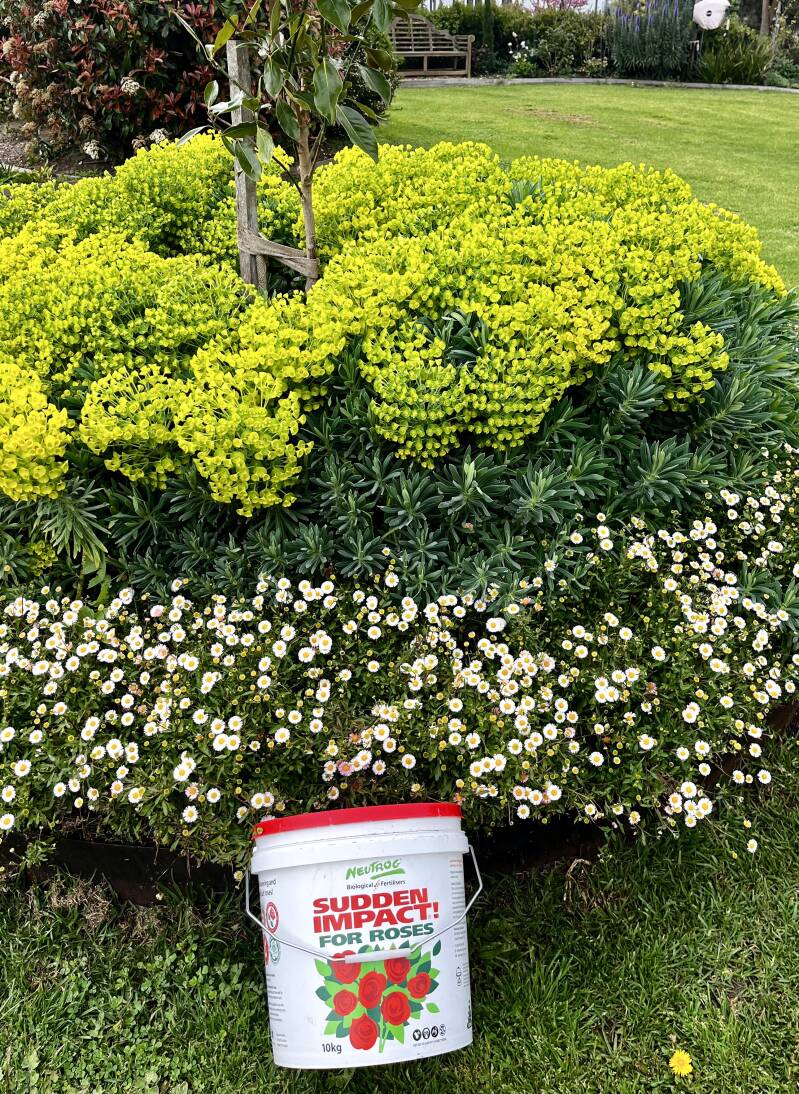
Sudden Impact for Roses can also be used on bearded irises, euphorbia, camellias, hibiscus, daphnes and seaside daisies.
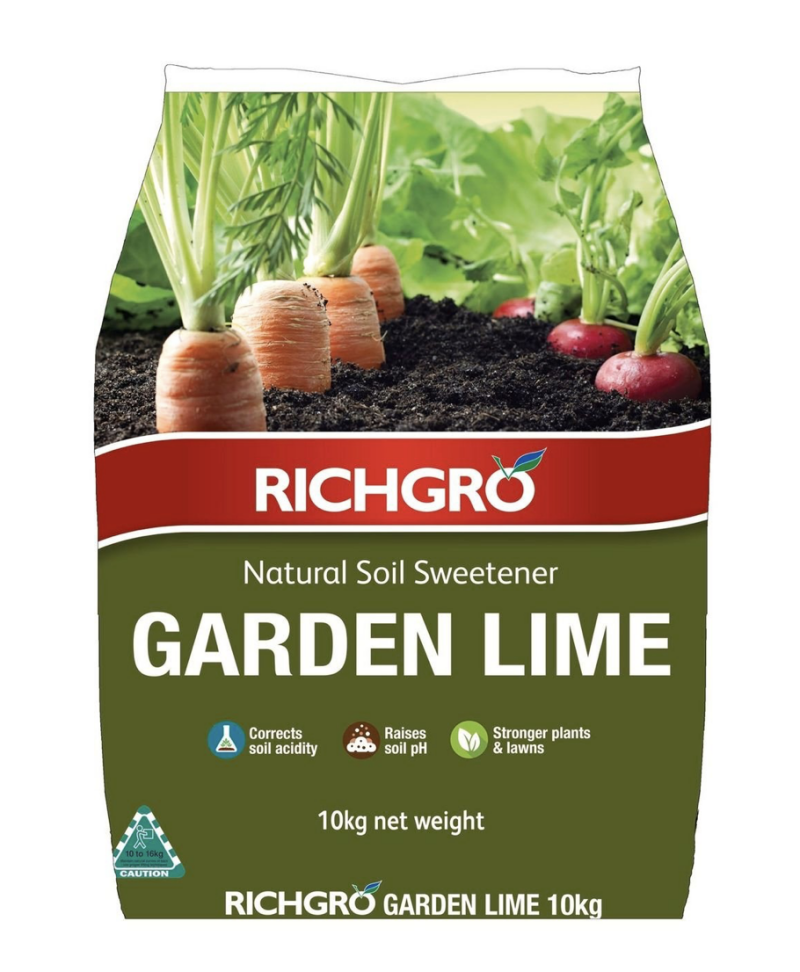
GARDEN LIME
Garden lime raises acidic soil pH for plants that prefer neutral to alkaline conditions. It improves nutrient availability and supplies calcium for strong cell walls; dolomitic lime also adds magnesium.
Always test your soil and follow product directions before applying lime, as many plants prefer acidic conditions.
Vegetables & Herbs
- Brassicas: Cabbage, broccoli, cauliflower, Brussels sprouts and kale thrive in limed soil, which may also reduce clubroot risk.
- Legumes: Peas, broad beans and pole beans benefit from pH levels that support nitrogen fixation.
- Alliums & root vegetables: Onions, garlic, leeks, parsnips and beetroot can perform better when lime reduces manganese toxicity.
- Leafy greens: Spinach, Swiss chard and lettuce benefit from calcium and balanced pH.
- Asparagus & Mediterranean herbs: Asparagus, rosemary, lavender and oregano benefit from lime in acidic soil.
Flowers & Ornamentals
- Delphiniums, foxgloves, dianthus & gypsophila: Grow well in neutral, alkaline or chalky soil.
- Bearded irises & clematis: Lime can support healthy growth in acidic soil.
- Pink hydrangeas: Lime reduces aluminium uptake, encouraging pink or red flowers.
Shrubs & Trees
- Lilacs & forsythia: Prefer neutral to slightly alkaline soil and may struggle in highly acidic conditions.
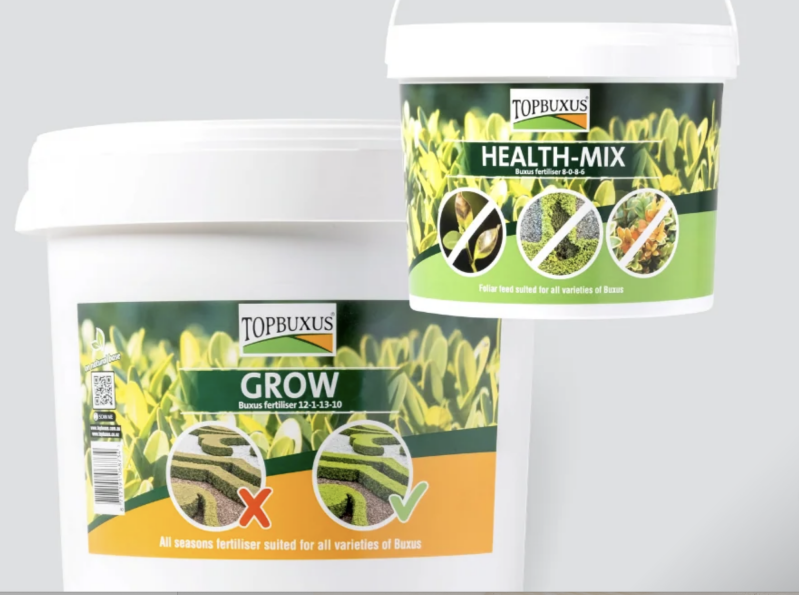
- English Box—LOVES LIME!
Why English Box Needs Lime
- Unlocks nutrients: Raising soil pH helps hedges absorb nutrients from fertiliser.
- Restores rich green colour: Lime can help improve winter bronzing or yellowing.
- Strengthens hedges: Calcium supports strong cell walls, denser foliage and better pruning response.
How to Apply It
- Choose your lime: Garden lime (calcium carbonate) works well; dolomite lime also supplies magnesium to support leaf greening.
- Application rate: Scatter roughly 150g per square metre around the plant base and root zone.
- Water it in: Water thoroughly to carry lime to the roots and keep it off foliage.
Richgro Natural Garden Lime and Yates Thrive Garden Lime are widely available from local nurseries and garden centres.