

Dahlia 'Versailles'
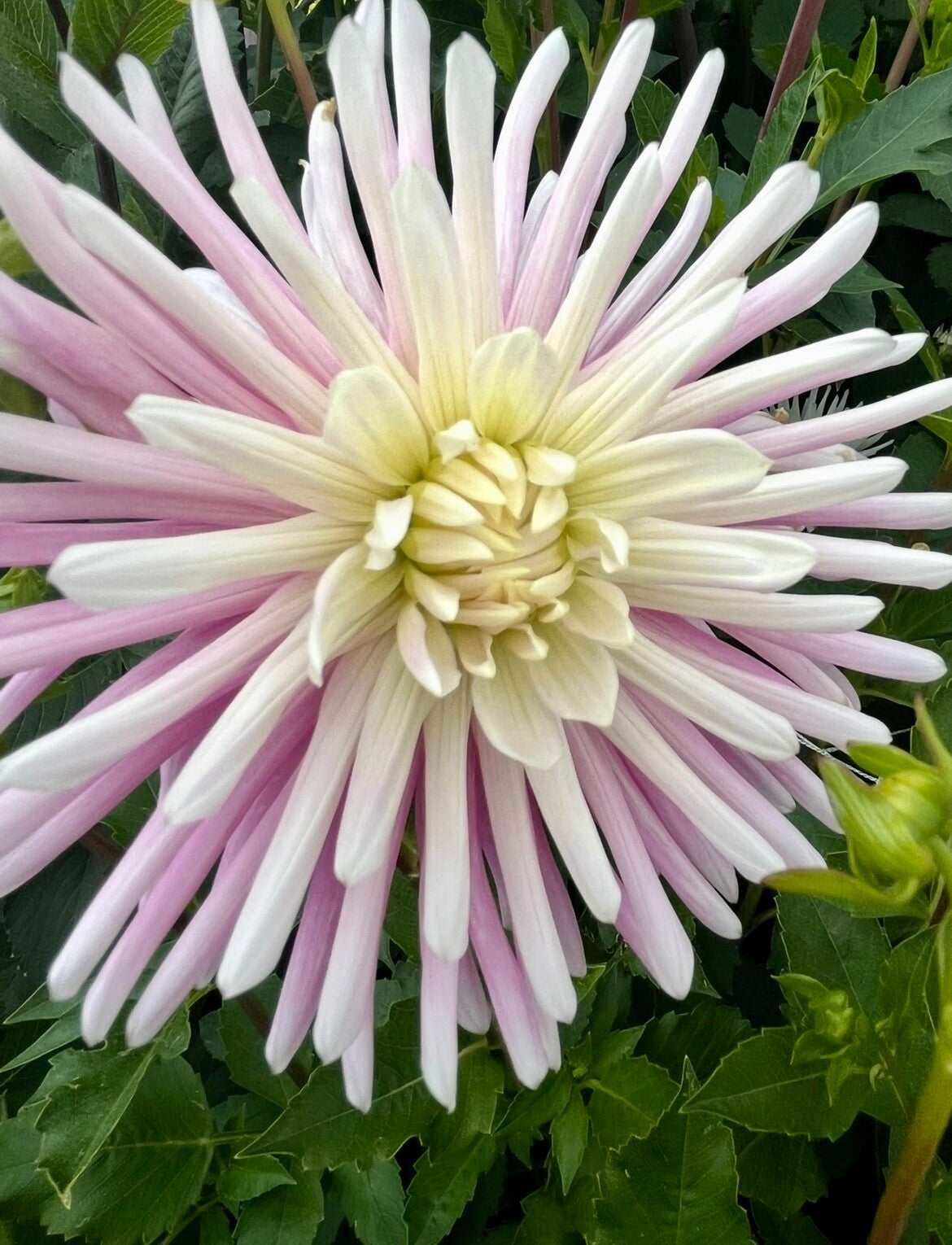
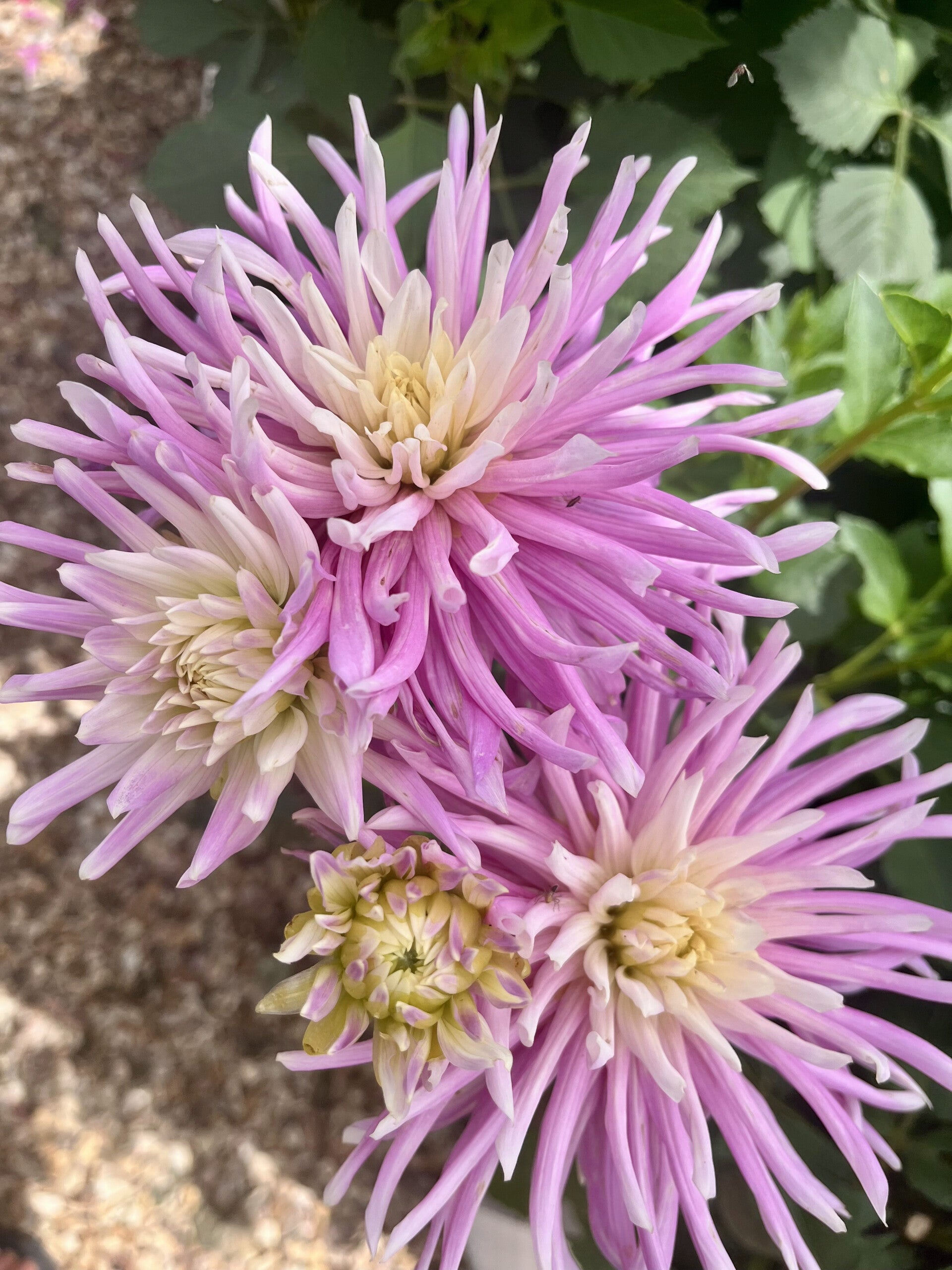
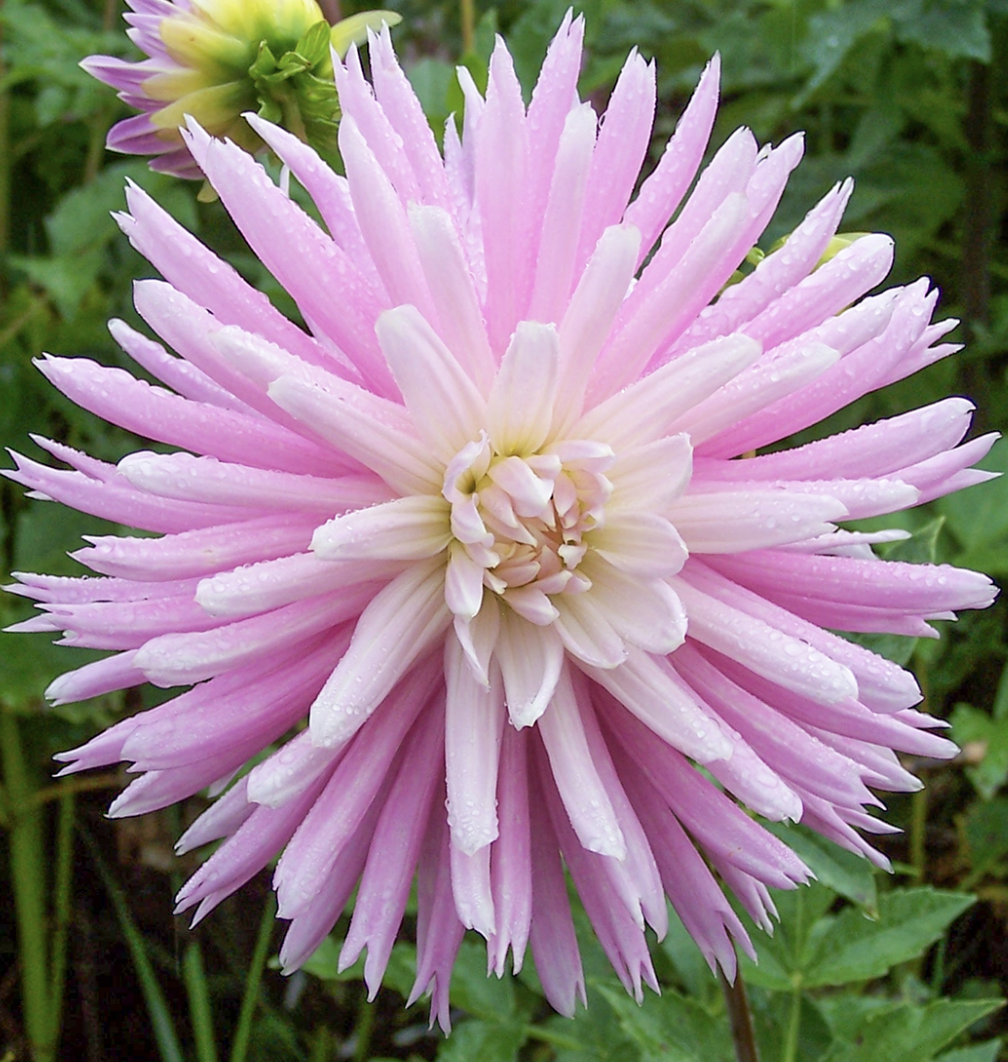
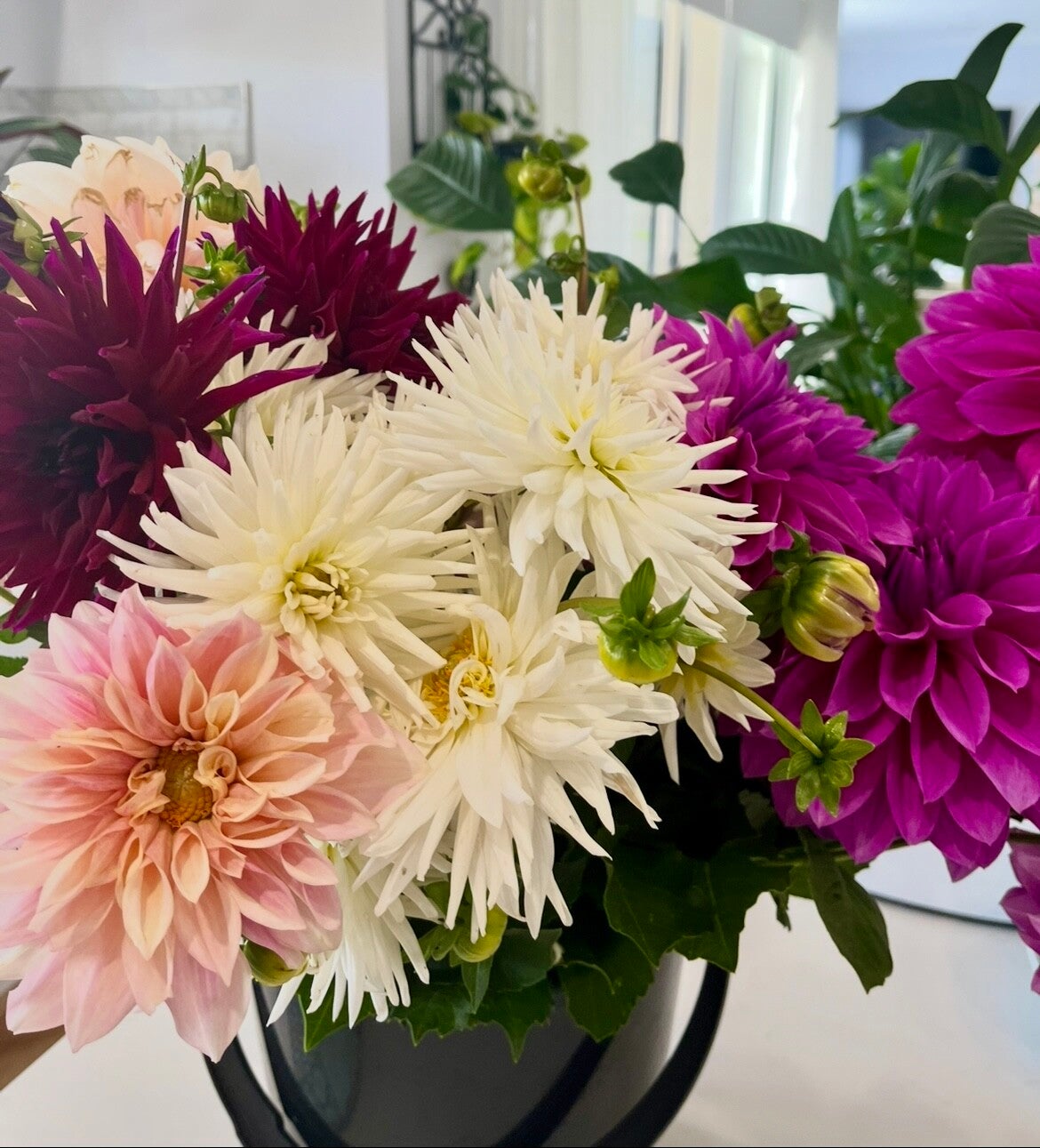
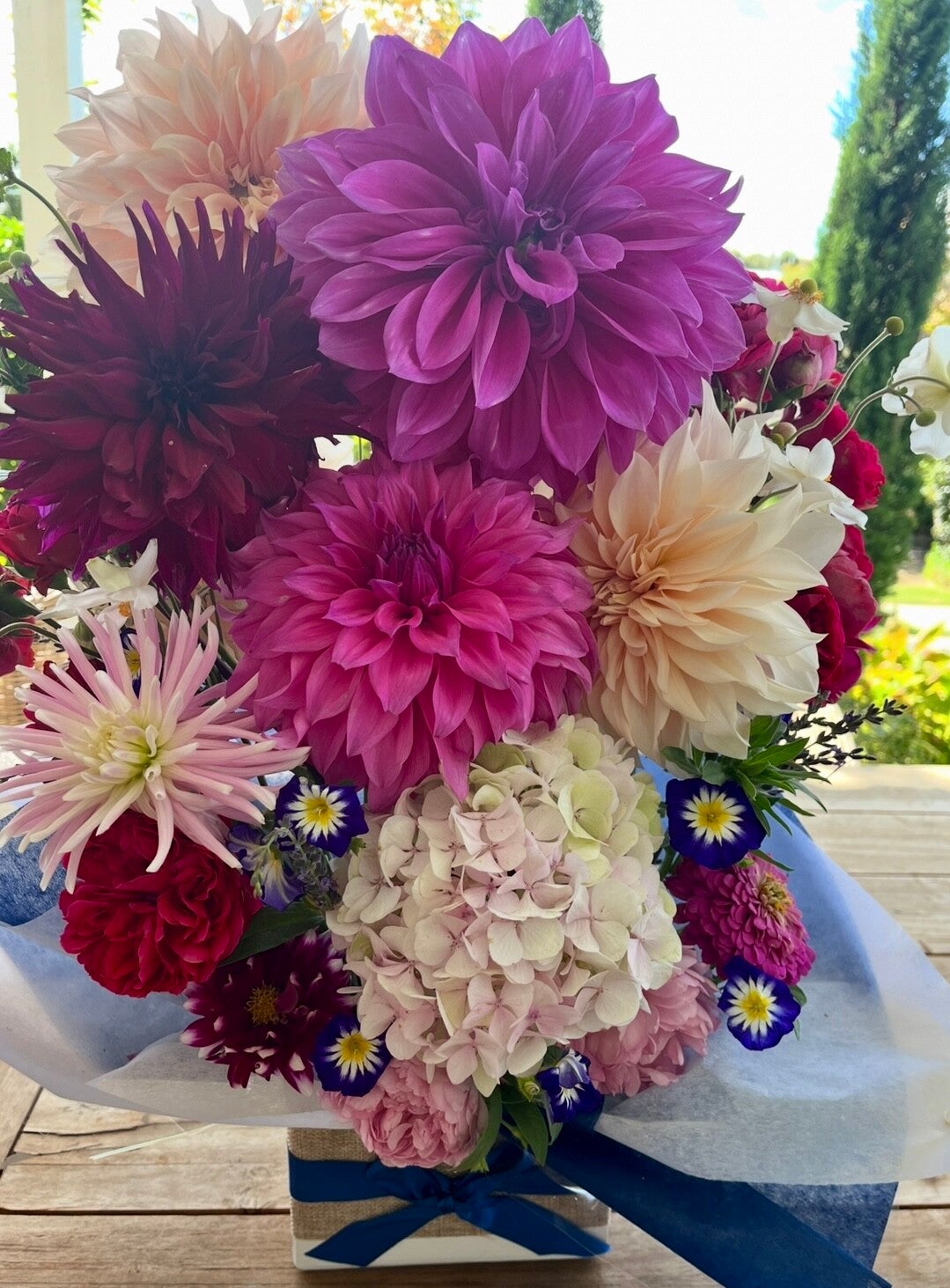
A lovely blend of soft to rose pink, with cream and lemon highlights. This gorgeous new selection produces masses of blooms up to 15cm across.
Delbard Dahlias are award-winning for good reason: they’re abundant, large-flowered and available in an impressive range of colours. With compact, sturdy growth and fabulously flamboyant blooms, they have a more relaxed, cottage-garden feel than your average Dahlia.
Every variety is carefully chosen. From trials of more than 10,000 hand-pollinated seeds, only five new varieties make the cut. From there, it takes another six years to bring them to market. The breeding program started back in the 1940s, and has produced plenty of beautiful varieties along the way.
Dahlias are an absolute joy in the garden. They flower for ages, have lush foliage and come in a huge range of colours, shapes and sizes. Best of all, they’re easy to care for.
It’s best to wait until the soil has warmed up before planting your Dahlia tubers. Mid-October to early November is usually ideal, depending on where you live.
Dahlias are incredibly generous with their flowers, so you can enjoy them in the garden and still have plenty to fill your vases. For us, blooms generally appear from December through to April or May.
Plant Dahlias in moist, humus-rich, well-drained soil in a sunny spot. They need at least six hours of sun to flower well. Morning sun is ideal, as hot afternoon sun can scorch the leaves; otherwise, they may need a little extra water. If you have time, dig some well-rotted cow or sheep manure through the soil before planting. Plant each tuber around 5–10cm deep. For tall or large-flowered varieties, pop in a stake at planting time so you don’t disturb the roots later. Leave a little space between plants for good airflow.
You don’t need to water your Dahlias straight after planting. Once shoots appear above the ground, keep the soil moist. A slow-release tomato fertiliser in early summer, followed by some Sulphate of Potash and a layer of mulch, will help you get the best blooms. They’re generous plants, so they appreciate plenty of good resources.
You can pinch out your plants once they reach around 20cm tall and have four sets of leaves. Simply snip off the top main stem to encourage more side shoots. This may delay flowering by a week or two, but you’ll end up with more blooms. To encourage larger flowers, nip out the side buds as soon as they appear. Once the plants have finished flowering, stop watering so the tubers can mature.
Dahlia flowers are brilliant for cutting and last well in a vase. The more you cut, the more blooms the plant will produce. Try to cut flowers in the morning, when they have a higher moisture content and will last longer. Take the stem down by at least two sets of leaves—this gives the plant a good prune, encourages bushier growth and helps produce more flowers. Remove any spent flowers too; these look like pointed buds. Do this every week or two and you’ll enjoy a longer flowering season with even more blooms.
Dahlia tubers can stay in the ground year after year if your soil is well drained and you don’t live somewhere that freezes or becomes overly wet while they’re dormant.
Dahlia tubers come in all sorts of shapes and sizes. Smaller tubers often set roots more quickly and establish easily. Larger tubers have more stored energy, so they can take a little longer to form roots, but they have plenty of get-up-and-grow. Tuber size can also vary by variety. All our Dahlias are fully guaranteed to be flowering size.