

Pink Aquilegia caerulea PINK CRYSTAL COLUMBINES - SEEDS
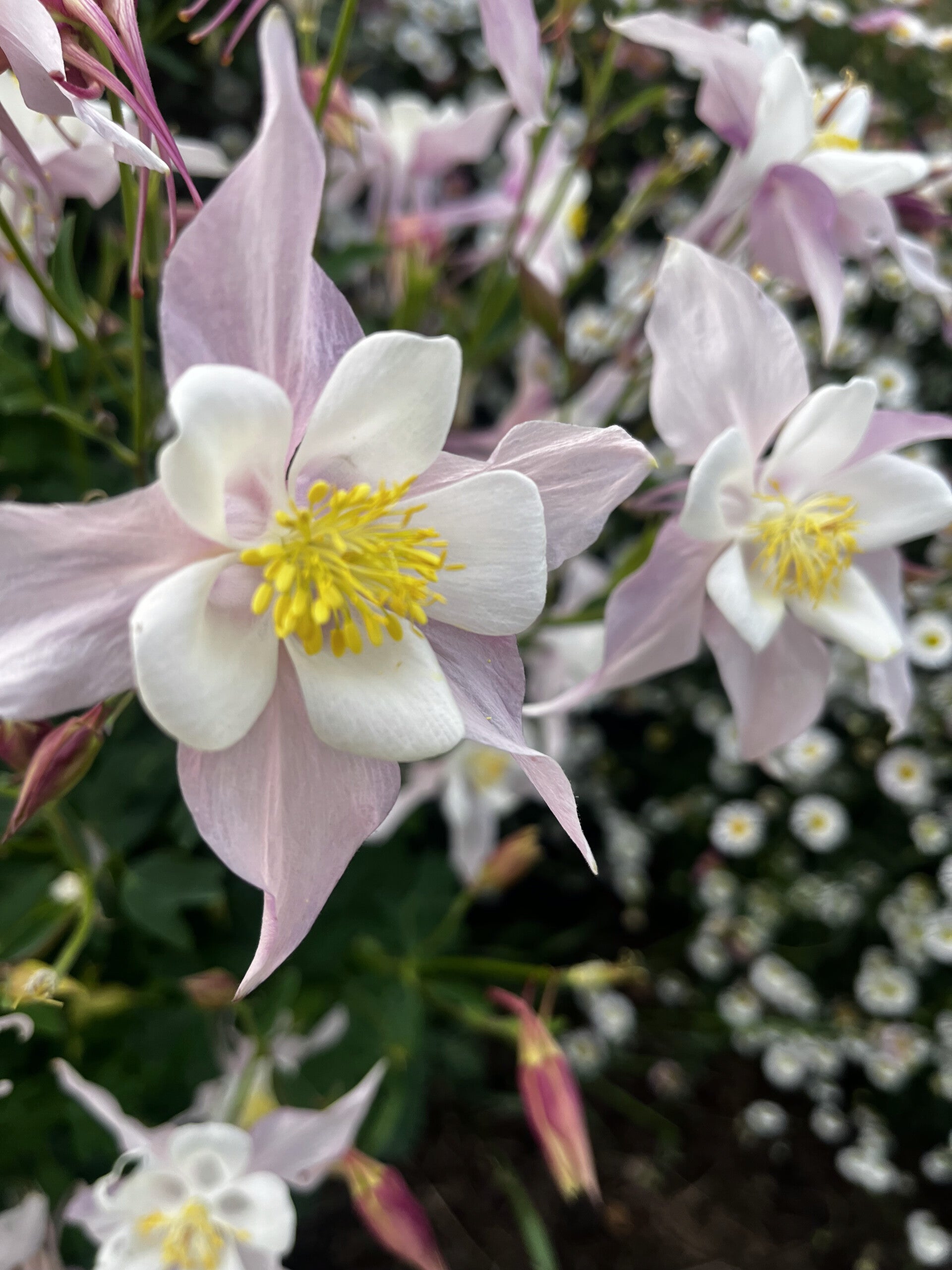
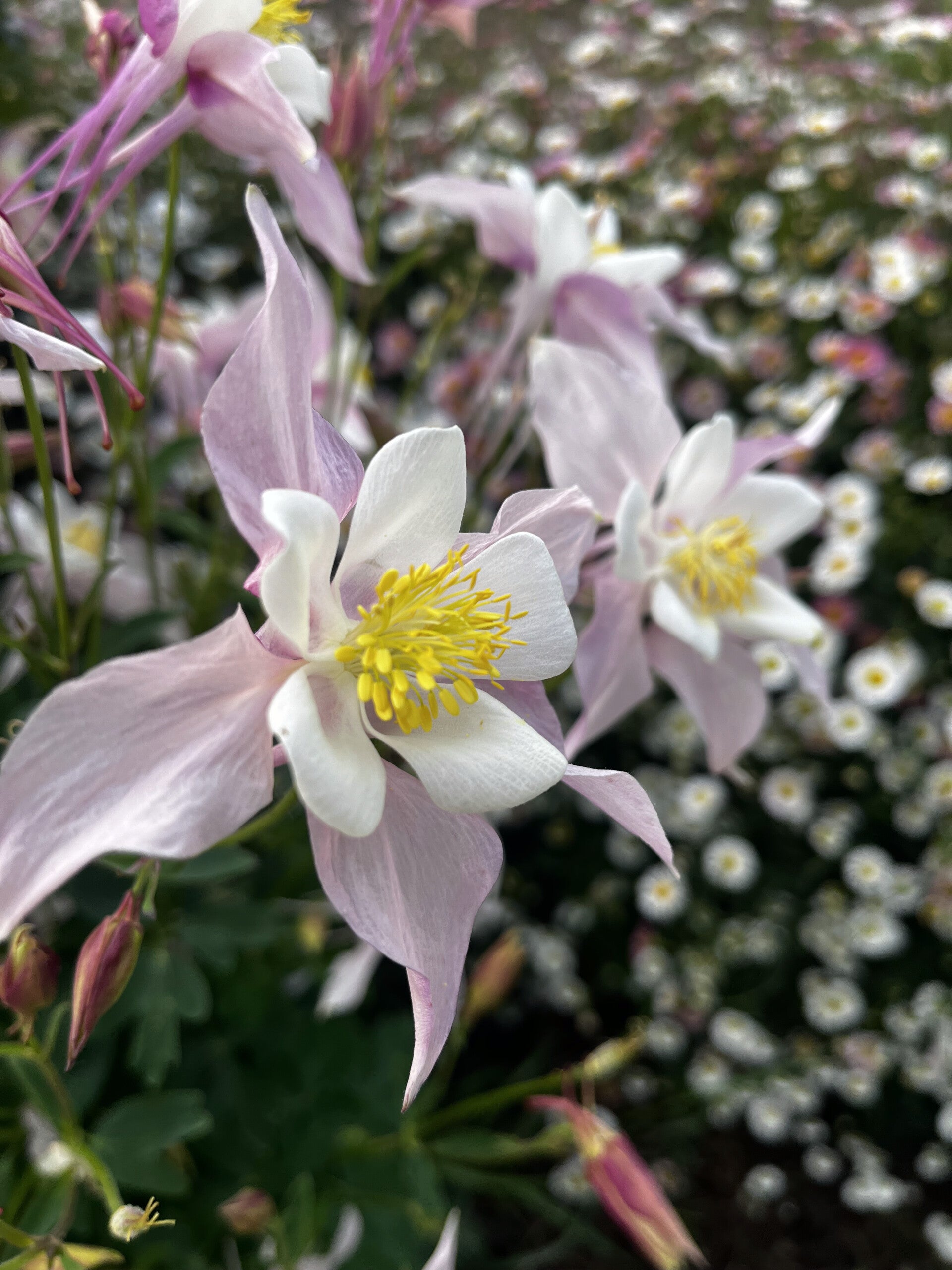
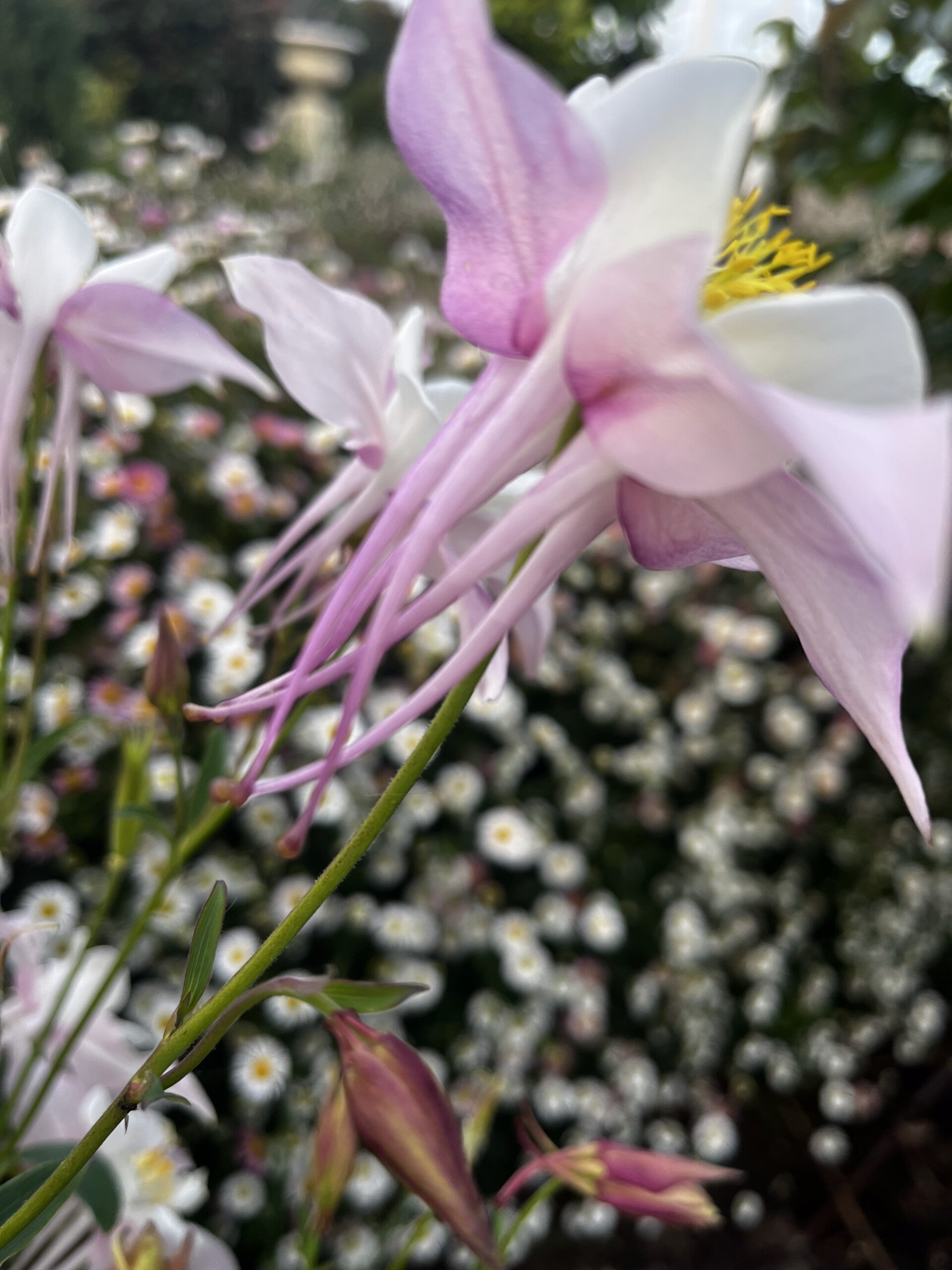
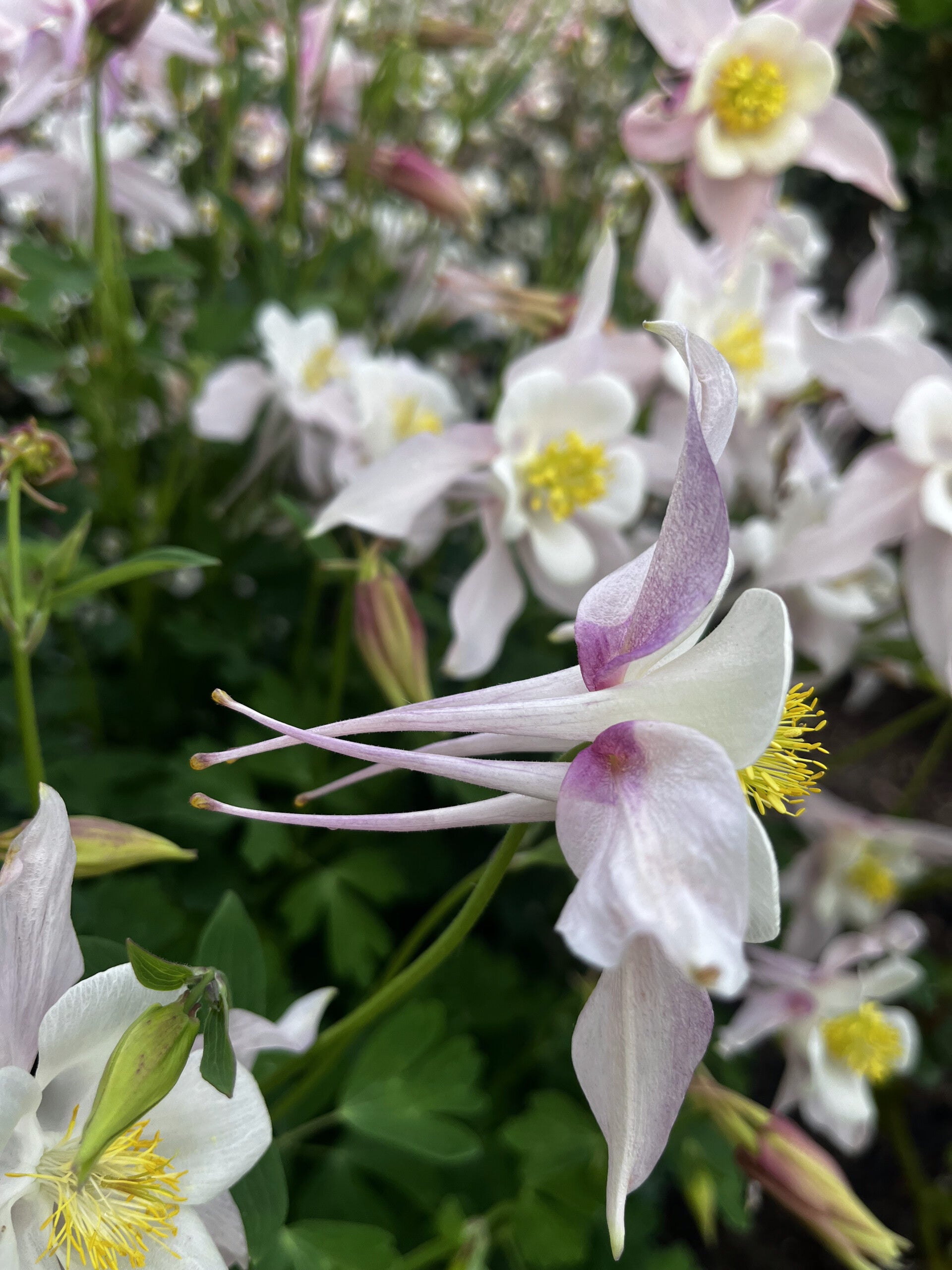
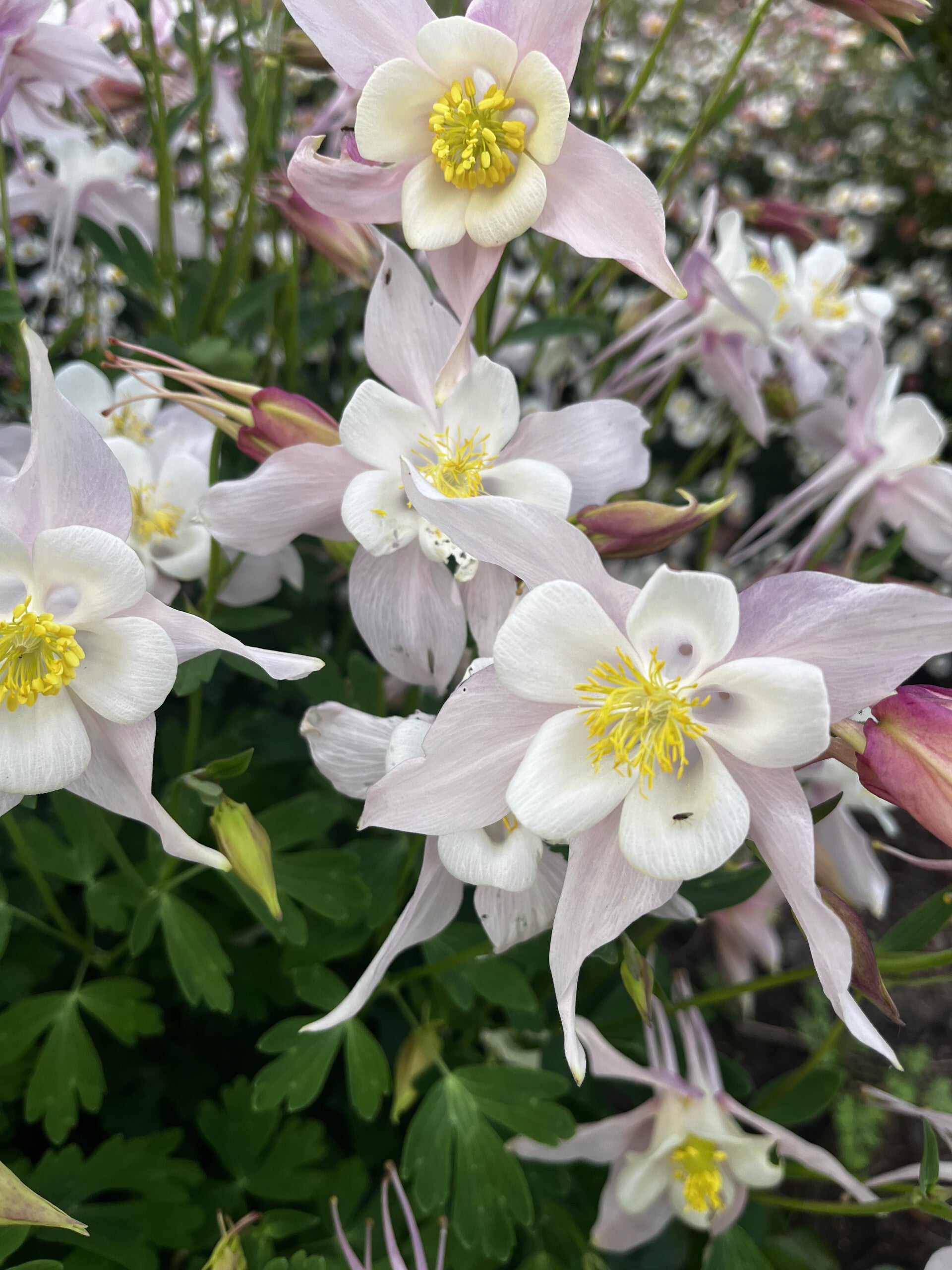
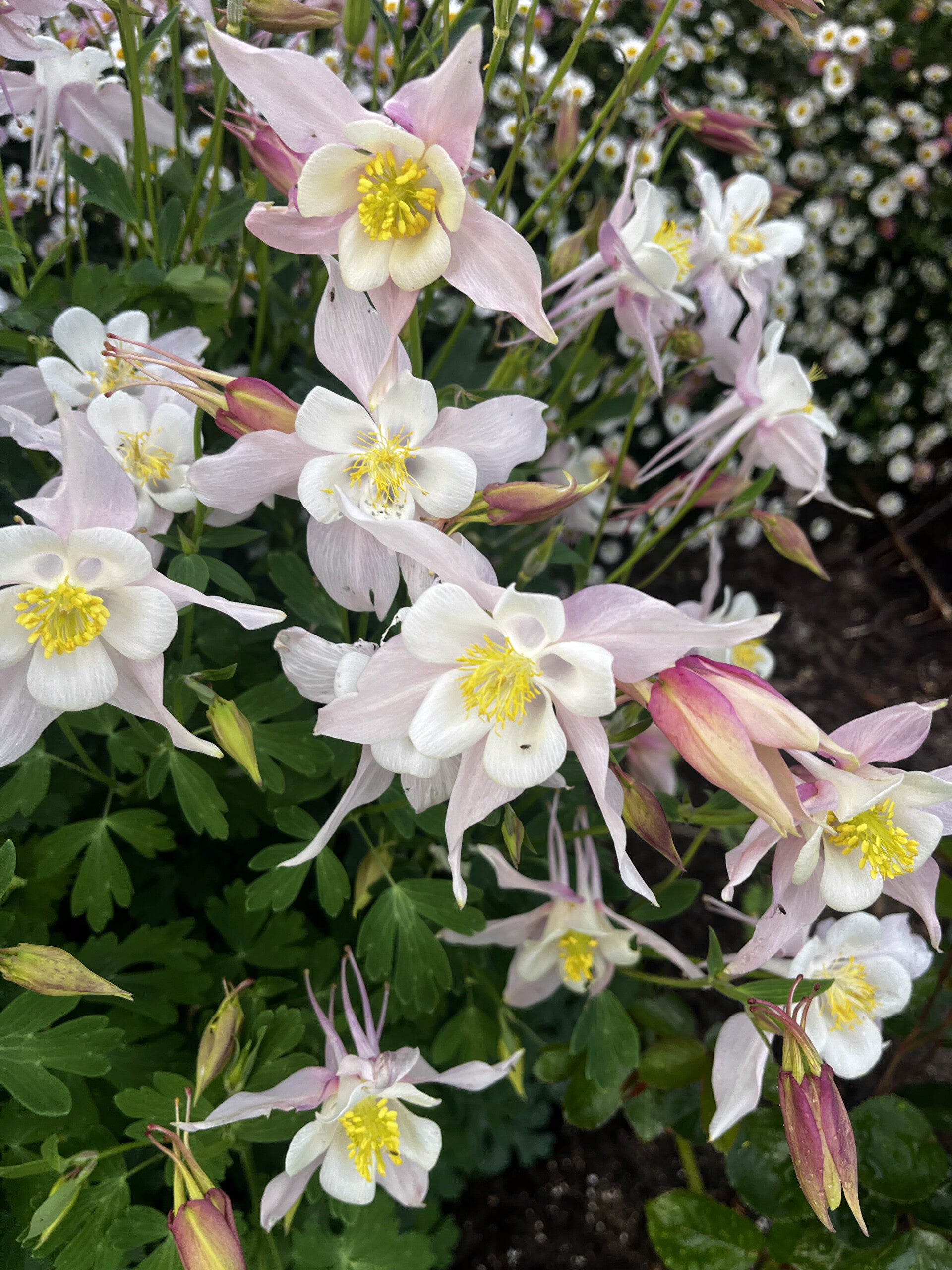
Aquilegia caerulea ‘PINK’ produces very large, pure white flowers with spectacularly long spurs.
Plus, it has a delightful sweet fragrance.
Very large, pure white Columbine flowers with long spurs
The blooms are particularly large, with truly spectacular spurs.
Delightfully sweet fragrance
Fragrance is unusual in the Aquilegia family, though it is a quality breeders are working to develop.
‘PINK’ offers a delightfully sweet scent.
Prolific flowers in spring and early summer
‘PINK’ blooms prolifically from spring into early summer.
It is noted for its particularly long flowering season, as well as its fragrance.
Large, sparkling white blooms brighten the shade
For best results, plant Aquilegia caerulea ‘PINK’ in shade to part shade.
It naturally grows among trees and shrubs.
However, it can tolerate full sun in cooler climates when well mulched through summer.
Useful for drier shaded areas
Once established, it will also tolerate some dry conditions.
Given shade—its natural habitat—it can grow happily with very little attention.
Frost and heat hardy
It is hardy in both frost and heat.
Hardy evergreen perennial clump
Aquilegia caerulea ‘PINK’ forms a hardy, evergreen perennial clump.
Ideal for mass planting and groundcover in shade or under trees
With attractive foliage clumps year-round, ‘PINK’ is ideal for mass planting beneath trees and shrubs, where it creates easy, low-maintenance groundcover.
When in bloom, it becomes a highlight for both flowers and fragrance.
Low maintenance
If the foliage clumps begin to look a little scruffy, simply cut them back hard. Fresh, beautiful green foliage will return in no time.
Rabbit and deer resistant
Rabbits and deer generally leave Aquilegia foliage alone.
Of course, a starving animal may sample anything, but they are unlikely to graze on Aquilegias, as they dislike the taste.
A joy for bees and pollinators
What self-respecting bee or butterfly could resist those prominently displayed, pollen-laden stamens?
The super-long nectar reservoirs—the spurs—are equally irresistible.
Long-tongued bees, butterflies and moths relish the nectar, while short-tongued bees simply bore a hole in the side of the spur.
Bliss for native birds too
Our delightful honey-eating native birds, such as Eastern Spinebills, will find a feast in the nectar-filled spurs, with tongues long enough to reach deep inside.
Evergreen perennial clump
Aquilegia caerulea ‘PINK’ forms an evergreen perennial clump, approximately 80cm high in flower and 30cm wide, with attractive rounded foliage.
SEED SOWING ADVICE:
Sow indoors in punnets whenever suitable temperatures can be provided.
Or
Scatter directly in the garden during autumn and winter.
Aquilegias germinate easily outdoors after winter chilling.
Sow indoors for quick, early plants: Sow seeds on the surface of a good-quality seed-raising mix.
As the seeds need light to germinate, cover only very lightly with sieved mix.
Thoroughly moisten the punnet and place it in a warm, well-lit position out of direct sun.
Temperatures of 15–20C are ideal for rapid germination.
Keep the mix moist by misting with a spray bottle.
Seeds germinate in 10–30 days.
If there is no germination after 4 weeks, the seeds may have entered natural dormancy.
Wrap the moist punnet in cling wrap and refrigerate—do not freeze—for 4–6 weeks.
Then return it to a well-lit position at 15–20C.
Seedlings may begin to germinate within 10 days.
Do not discard the punnet: some seeds may continue germinating for 30–90 days.
This is perfectly natural for this plant.
Seed Count: approximately 50 seeds per pack.
(We always aim to exceed the stated seed count with a generous serving.)